
Condition overview

What is urinary tract infection?
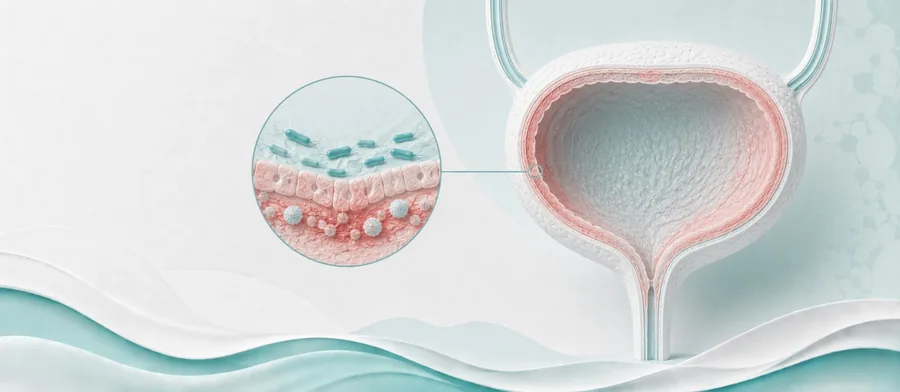
A urinary tract infection, or UTI, happens when germs infect part of the urinary system. It may involve the bladder, urethra, prostate, kidneys, or urine passage.
The bottom line: many simple UTIs improve with the right antibiotic, but recurrent UTI, fever, side pain, blood in urine, infection in men, pregnancy, diabetes, kidney stones, prostate symptoms, or poor bladder emptying need careful evaluation.
Urinary tract infection treatment should not be only about taking repeated antibiotics. The important step is to confirm infection, review the urine culture, choose the right medicine, and find out why infection is happening again.
If symptoms keep coming back, the cause may be resistant bacteria, incomplete treatment, poor hydration, stones, prostate enlargement, urethral stricture, incomplete bladder emptying, diabetes, catheter use, or another urology problem.
UTI symptoms
Common UTI symptoms include burning urine, frequent urination, urgency, lower abdominal pain, cloudy urine, foul-smelling urine, blood in urine, fever, chills, side pain, back pain, vomiting, pelvic discomfort, or weakness.
Bladder infection often causes burning, urgency, and frequent urination. Kidney infection may cause fever, chills, vomiting, and side or back pain. In men, UTI symptoms may also overlap with prostate infection, urinary blockage, stones, or urethral stricture.
Recurrent UTI and complicated UTI
Recurrent UTI usually means two or more infections in six months or three or more infections in one year. Repeated UTI should be investigated instead of treating every episode blindly.
A complicated UTI is more likely when infection happens with fever, kidney pain, pregnancy, diabetes, stones, catheter use, prostate blockage, urinary retention, kidney disease, resistant bacteria, or structural urinary tract problems.
When to consult a urologist
Consult a urologist if UTI keeps coming back, symptoms do not improve after treatment, urine culture shows resistant bacteria, fever is present, side pain occurs, blood appears in urine, or you have difficulty passing urine.
Men with UTI symptoms should be evaluated carefully because UTI in men may be linked to prostate inflammation, enlarged prostate, stones, urinary blockage, urethral stricture, or incomplete emptying.
Diagnosis and tests
Diagnosis may include urine routine, urine culture, antibiotic sensitivity report, blood tests, kidney function tests, ultrasound, post-void residual urine check, CT scan, cystoscopy, prostate evaluation, or stone evaluation when needed.
A urine culture is especially important in recurrent UTI, unclear infection, resistant infection, fever, pregnancy, men with UTI, and patients who have already taken antibiotics. It helps select the right UTI treatment medicine instead of guessing.
When to consult
Do UTI symptoms need review?
What are you feeling?
This checklist helps organize symptoms and reports. It does not replace a urology consultation, especially if fever, side pain, pregnancy, diabetes, blood in urine, or recurrent UTI is present.
Diagnosis and tests
UTI care, step by step

Consultation
Review symptoms and history
Dr. Vikram reviews burning urine, frequency, urgency, fever, side pain, urine reports, previous antibiotics, diabetes, stone history, prostate symptoms, and recurrence pattern.
- Bring urine routine and culture reports
- Share previous antibiotic prescriptions
- Tell the doctor about fever, chills, blood in urine, or side pain
Treatment options
Treatment options for urinary tract infection
Urinary tract infection treatment depends on symptoms, urine culture report, infection severity, fever, kidney involvement, pregnancy status, diabetes, previous antibiotics, and recurrence history.
A simple lower UTI may need a short course of the right antibiotic and symptom relief. Recurrent UTI, male UTI, fever, kidney pain, blood in urine, or resistant bacteria need a deeper look before repeating medicines.
Home care such as drinking water, avoiding bladder irritants, and pain relief may support recovery, but it should not replace medical care when fever, side pain, pregnancy, diabetes, blood in urine, or recurrent infection is present.
If infection keeps returning, treatment may include culture-based antibiotics, prevention advice, evaluation for stones or blockage, prostate assessment, residual urine check, cystoscopy, or treatment of the underlying cause.
UTI treatment and recurrent infection planning
Patients searching for the urologist in Gurgaon for recurrent UTI, burning urine, frequent urination, urine culture review, or UTI treatment in men can consult Dr Vikram Barua Kaushik at Urowellness Clinic. Urowellness Clinic is a urology clinic in Gurgaon where Dr Vikram Urologist, a urologist and robotic surgeon, reviews culture reports, scan findings, bladder emptying, prostate symptoms, stone risk, and recurrence triggers before planning treatment.
"Repeated UTI should not be treated blindly again and again."
Dr. Vikram · Urologist, Robotic SurgeonRecovery and follow-up
Before, during, and after UTI care
Good UTI care treats the infection, checks warning signs, and looks for the reason when infection repeats.
- Bring urine routine, urine culture, ultrasound, and previous prescriptions
- List all antibiotics already taken
- Share fever, chills, vomiting, side pain, or blood in urine
- Tell the doctor about diabetes, pregnancy, stones, prostate symptoms, or catheter use
- Avoid self-starting leftover antibiotics
- Drink fluids unless your doctor has restricted fluids

FAQs
Frequently asked questions
Common UTI symptoms include burning urine, frequent urination, urgency, lower abdominal pain, cloudy urine, foul smell, blood in urine, fever, chills, side pain, back pain, vomiting, or weakness. Fever and side pain may suggest kidney infection and need prompt care.
The treatment depends on symptoms, urine culture report, antibiotic sensitivity, fever, kidney involvement, pregnancy, diabetes, and recurrence history. Simple UTI may need antibiotics and symptom relief, while recurrent or complicated UTI needs evaluation for the underlying cause.
Sometimes treatment is started urgently based on symptoms, but recurrent UTI, UTI in men, fever, pregnancy, resistant infection, or unclear symptoms should usually be guided by urine culture and sensitivity testing.
Recurrent UTI may happen due to resistant bacteria, incomplete treatment, poor bladder emptying, kidney stones, prostate enlargement, urethral stricture, catheter use, diabetes, hygiene factors, or reinfection. The cause should be checked if infections repeat.
Men should see a urologist if UTI symptoms occur with fever, side pain, blood in urine, weak urine flow, difficulty passing urine, recurrent infection, or poor response to antibiotics. UTI in men may be linked to prostate, stones, blockage, or incomplete emptying.
Hydration and pain relief may support recovery in mild cases, but home remedies should not replace medical care when there is fever, side pain, pregnancy, diabetes, blood in urine, recurrent UTI, or symptoms that do not improve.
Fever, chills, vomiting, or side/back pain with UTI can suggest kidney infection or a more serious infection. These symptoms need prompt medical review, especially in men, pregnant patients, older adults, diabetics, and people with kidney stones or blockage.
Most recurrent UTIs are not cancer, but repeated infection with blood in urine, unexplained weight loss, persistent pain, older age, smoking history, or abnormal scans should be evaluated carefully to rule out stones, blockage, prostate problems, or rarely cancer.
Prevention depends on the cause. It may include hydration, bladder emptying habits, culture-guided treatment, diabetes control, avoiding unnecessary antibiotics, and treating stones, prostate blockage, stricture, catheter problems, or residual urine when present.
A urologist can evaluate recurrent UTI, UTI in men, fever with UTI, blood in urine, stone-related infection, prostate-related infection, or poor bladder emptying. Patients can consult Dr Vikram Barua Kaushik at Urowellness Clinic for urinary tract infection treatment in Gurgaon.