

Erectile dysfunction (ED) is not a single condition with one cause. It is a symptom, and finding out why it is happening matters more than reaching for a pill. In men under 40, it is often linked to stress, anxiety, or lifestyle factors. In men over 50, it is more often physical and can be an early warning sign of heart disease or diabetes before either is diagnosed. The right first step is a proper diagnosis, because ED that is actually a symptom of an underlying condition needs that condition treated, not just masked.
Is Erectile Dysfunction Physical or Psychological?
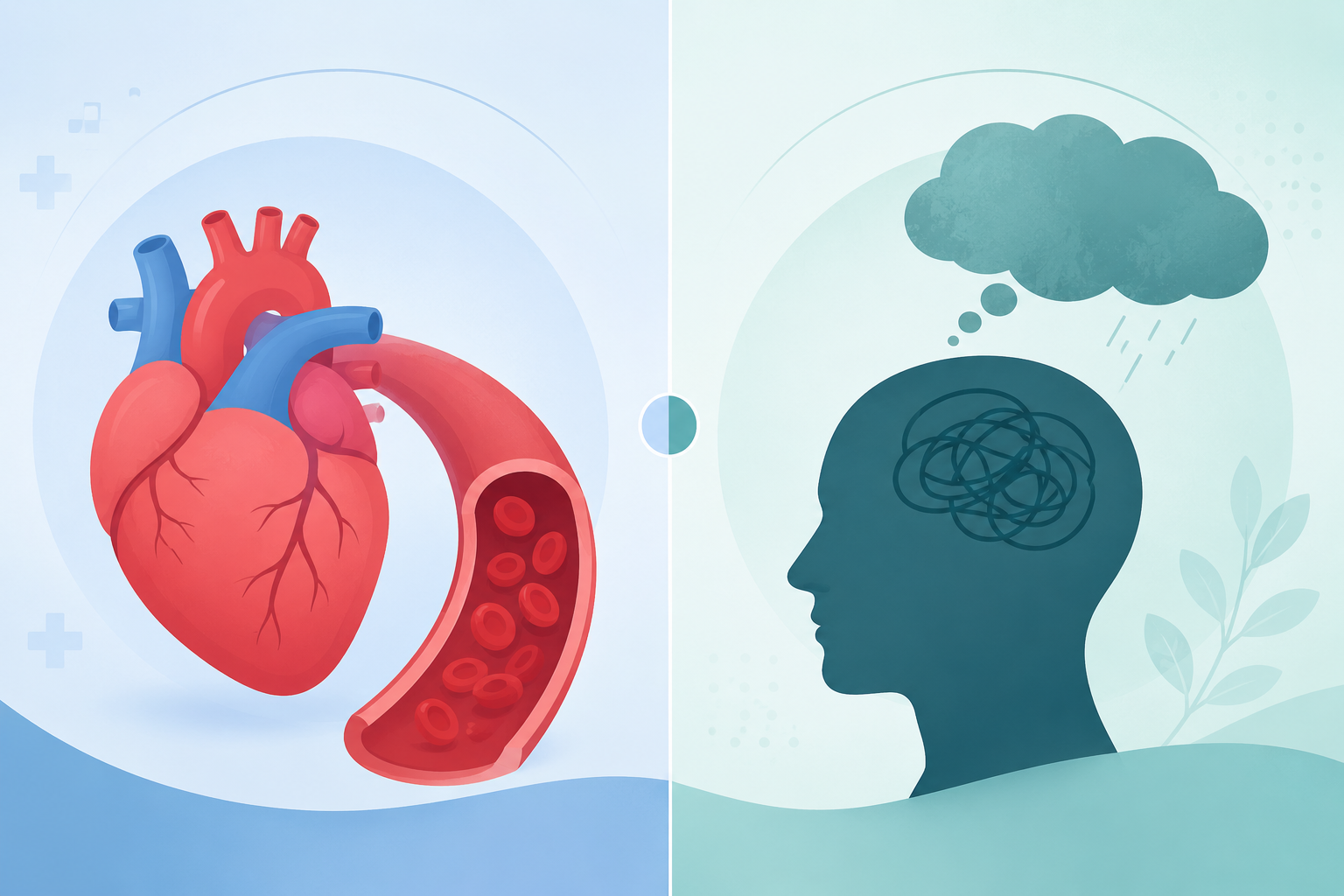
Most cases of ED are not purely physical or purely psychological. They often involve both, especially once the problem has been present for a while, because frustration and anxiety around ED can worsen the cycle.
A gradual onset over months, difficulty in all situations, reduced morning erections, diabetes, high blood pressure, smoking, obesity, cholesterol problems, or heart risk may point more toward a physical cause.
A sudden onset, normal erections during sleep or masturbation, difficulty mainly with a partner, performance anxiety, stress, relationship pressure, or symptoms that change with the situation may point more toward a psychological cause.
A urologist uses symptom pattern, medical history, physical examination, and selected tests to narrow down the cause. Self-diagnosis based only on symptoms is not reliable enough to guide treatment.
Common Physical Causes of ED
Physical erectile dysfunction is commonly linked to blood flow, nerve function, hormones, medicines, or long-term health conditions. Common causes include:
- Cardiovascular disease, where narrowing blood vessels reduce blood flow needed for erection.
- Diabetes, which can damage both blood vessels and nerves involved in erections.
- Low testosterone, which may reduce libido and contribute to erection difficulty.
- High blood pressure, cholesterol problems, smoking, obesity, and poor vascular health.
- Prostate surgery, pelvic surgery, radiotherapy, or some prostate-related medicines.
- Medicines such as some blood pressure drugs, antidepressants, and other long-term prescriptions.
- Alcohol overuse, smoking, lack of exercise, poor sleep, and weight gain.
- Age-related hormone and blood-flow changes, although ED should not be dismissed as normal ageing without evaluation.
Common Psychological Causes of ED
Psychological ED is real, common, and treatable. It does not mean the problem is imaginary. Stress and anxiety can affect the brain signals needed to start and maintain an erection.
Common psychological causes include:
- Performance anxiety or fear of erection failure.
- Relationship stress or communication problems with a partner.
- Work stress, financial stress, or general anxiety.
- Depression or loss of interest in intimacy.
- Past negative sexual experiences.
- Porn-related performance pressure or unrealistic expectations.
- A cycle where one episode of ED creates anxiety that leads to repeated episodes.
Does Masturbation Cause Erectile Dysfunction?
No. Masturbation itself does not medically cause erectile dysfunction. If ED is present alongside frequent masturbation, the two are not automatically linked.
However, some men may develop performance anxiety, unrealistic expectations, or arousal pattern changes related to pornography use. In those cases, the issue is usually psychological or behavioural rather than physical damage from masturbation.
If erection difficulty is repeated, the safer approach is to evaluate sleep, stress, diabetes risk, blood pressure, medicines, hormones, and relationship factors instead of assuming one cause.
Tests Used to Diagnose the Cause of ED
Most men do not need every possible test. A urologist chooses tests based on age, symptom pattern, risk factors, medical history, and whether the ED looks more physical, psychological, hormonal, medicine-related, or mixed.
Common tests and checks include:
- Fasting blood sugar or HbA1c to check diabetes risk.
- Lipid profile to assess cholesterol and vascular risk.
- Blood pressure check because hypertension is strongly linked with ED.
- Morning testosterone level when low libido, tiredness, reduced morning erections, or hormone concern is present.
- Physical examination to check genital, hormonal, nerve, and vascular clues.
- Medicine review to identify drugs that may worsen erection difficulty.
- Penile Doppler ultrasound in selected cases where blood-flow assessment is needed.
Treatment Options for Erectile Dysfunction
ED treatment should depend on the cause. Medication may help many men, but it should not replace evaluation when ED may be a warning sign of diabetes, heart disease, low testosterone, medicine side effects, anxiety, or another health issue.
Common treatment options include:
- Lifestyle changes such as quitting smoking, losing weight, regular exercise, better sleep, and reducing alcohol.
- Managing diabetes, blood pressure, cholesterol, heart risk, or other underlying conditions.
- Reviewing medicines that may be contributing to ED, only under medical guidance.
- Oral ED medicines such as PDE5 inhibitors when safe and appropriate.
- Counselling, sex therapy, or anxiety-focused support when psychological factors are important.
- Hormone treatment only when low testosterone is confirmed and clinically relevant.
- Vacuum erection devices for selected patients who prefer non-medicine options or need add-on support.
- Penile injections for ED that does not respond to oral medicines.
- Penile implant surgery for severe ED that does not respond to other treatments.
When Should You See a Urologist for ED?
Occasional erection difficulty can happen to many men, especially during stress, fatigue, alcohol use, or poor sleep. But repeated or worsening ED should not be ignored.
You should consider seeing a urologist if:
- ED has lasted more than a few weeks.
- The problem is becoming more frequent or affecting confidence.
- You have diabetes, high blood pressure, cholesterol issues, smoking history, obesity, or heart risk.
- ED is associated with chest discomfort, reduced exercise tolerance, or breathlessness.
- You also have low libido, reduced morning erections, tiredness, or suspected low testosterone.
- You have urinary symptoms, prostate concerns, pelvic surgery history, or fertility concerns.
- You are using online ED pills without evaluation or prescription.
Experiencing ED and Unsure Why?
Patients searching for the urologist in Gurgaon for erectile dysfunction, ED causes, male sexual health concerns, low testosterone symptoms, or performance anxiety can consult Dr Vikram Barua Kaushik at Urowellness Clinic.
Urowellness Clinic is a urology clinic in Gurgaon where Dr Vikram Urologist, a urologist and robotic surgeon, reviews ED symptoms privately, checks medical history, medicine use, diabetes and heart risk, hormone concerns, urinary symptoms, and treatment expectations before suggesting the next step.
A proper diagnosis is the first step toward effective treatment. If erection difficulty is repeated, worsening, or affecting your confidence, book a consultation to identify the underlying cause and plan safe treatment.
The Takeaway
Erectile dysfunction is a symptom, not a diagnosis. It may be physical, psychological, lifestyle-related, medicine-related, hormonal, or mixed.
The treatment is not the same for every man. The right plan starts with identifying the cause, checking important health risks, and then choosing treatment that is safe, realistic, and suited to the patient.
Resources
- Erectile DysfunctionNIDDK
- Erectile DysfunctionMedlinePlus
 FAQs
FAQs
Frequently asked questions
In many cases, yes. ED may improve when the cause is lifestyle-related, psychological, medicine-related, hormonal, or linked to an unmanaged condition such as diabetes or high blood pressure. Some nerve-related or post-surgery causes may need longer-term management.